M-PRISM research group
News
Awards, talks, papers and other milestones from the group, newest first.
2026
· ANS Winter Conference, Phoenix
PhD student Samah Balouza and undergraduate Jake LaFore each lead a paper on the JSI TRIGA Mark-II reactor at the 2026 ANS Winter Conference & Expo in Phoenix, Arizona.
 Comparing Fission Matrix Approaches using a JSI TRIGA Mark-II Reactor ModelSamah Balouza
 Evaluation of the Effect of Control Rod Positioning on One-Group Effective Nuclear Data for Ex-Core Flux Reconstruction in the JSI TRIGA Mark-II ReactorJake LaFore
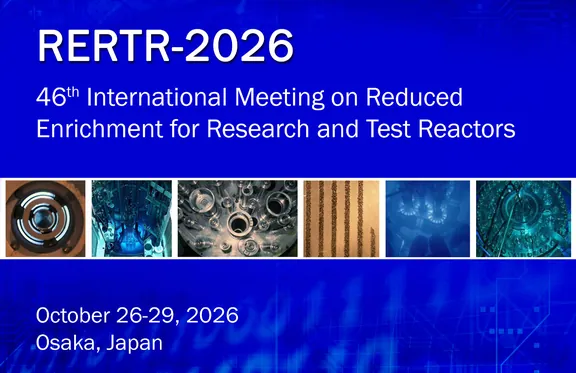
· RERTR-2026, Osaka
Advances in Open-Source Research Reactor Design with OpenMC and ADDER for Proliferation Resistance Optimization
Collaborators from Argonne National Laboratory will present this work by undergraduate Thomas McCoy at RERTR-2026, the 46th International Meeting on Reduced Enrichment for Research and Test Reactors in Osaka, Japan: in Panel 1 and in the evening poster session.
· ME faculty meeting, Mines
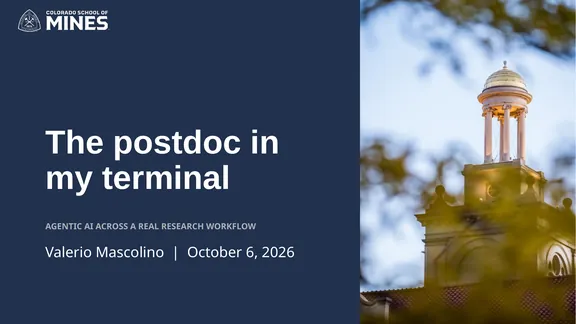
The postdoc in my terminal: agentic AI across a real research workflow
I spoke to the Mechanical Engineering faculty, at a session hosted by the department AI Committee, about using an AI agent (Claude Code) in research. Over four weeks it worked with me on three projects: a paper, a C++ simulation engine, and a study. Two agents ran live demos during the talk.
· Mines Undergraduate Research Symposium
Undergraduates Jake LaFore, Thomas McCoy, and Daris Paine presented posters at the fifth annual Fall Undergraduate Research Symposium at Colorado School of Mines, held in the CoorsTek Atrium.
- Computational Analyses for Validation and Acceleration of a Machine Learning Approach to Neutron Flux Reconstruction in Next-Generation Nuclear ReactorsJake LaFore
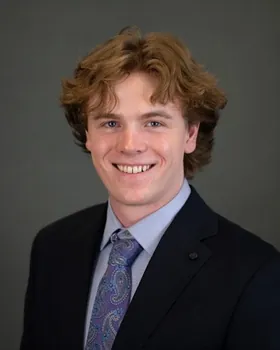 Advances in Open-Source Research Reactor Design with OpenMC and ADDER for Proliferation Resistance OptimizationThomas McCoy
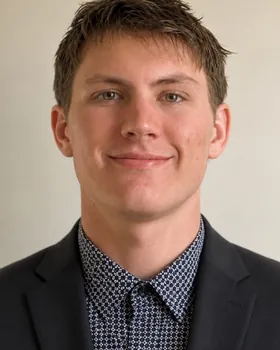 Neural Network Prediction of the Fission MatrixDaris Paine
· UPCC 2026, CU Boulder
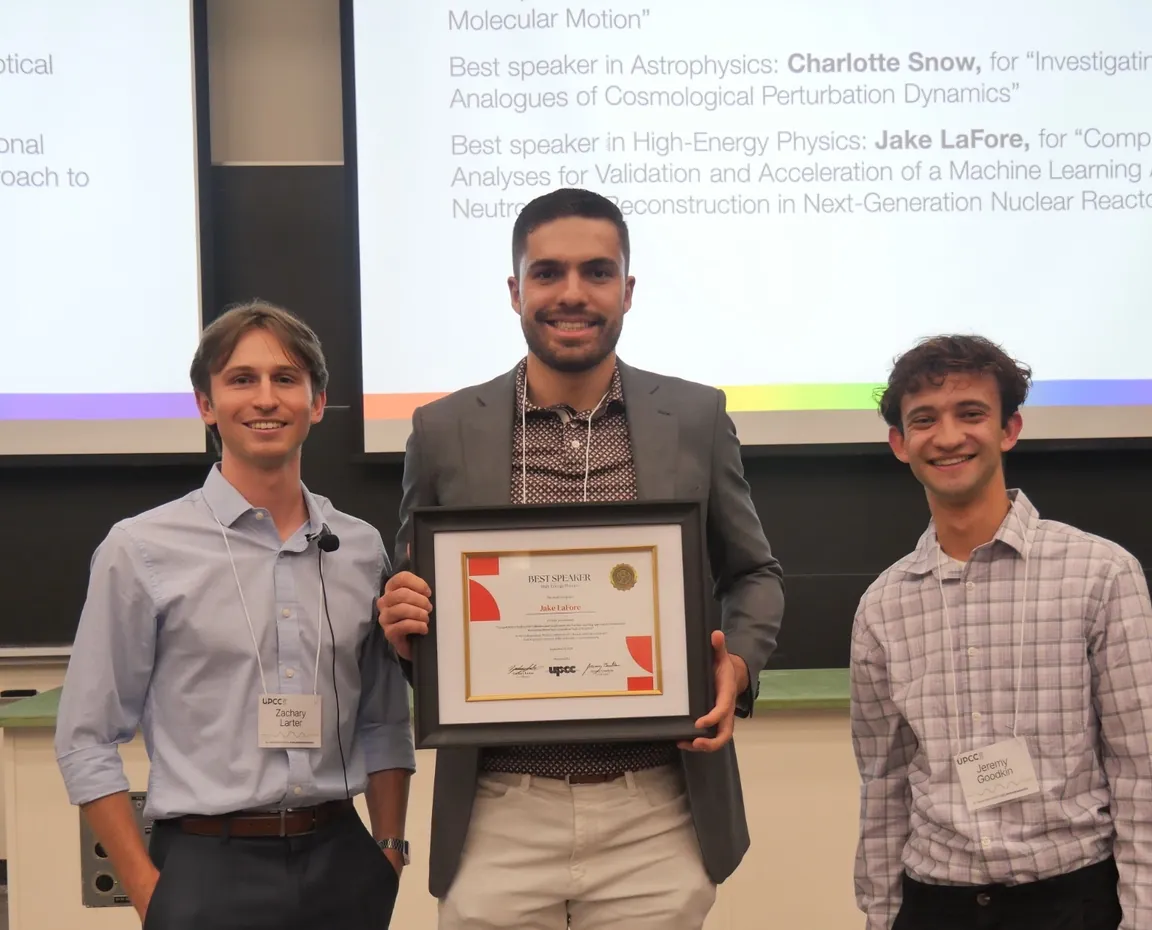
Computational Analyses for Validation and Acceleration of a Machine Learning Approach to Neutron Flux Reconstruction in Next-Generation Nuclear Reactors
Undergraduate Jake LaFore won Best Speaker in High-Energy Physics for this talk at the Undergraduate Physics Conference of Colorado (UPCC 2026), held in Duane Physics & Astrophysics at CU Boulder.
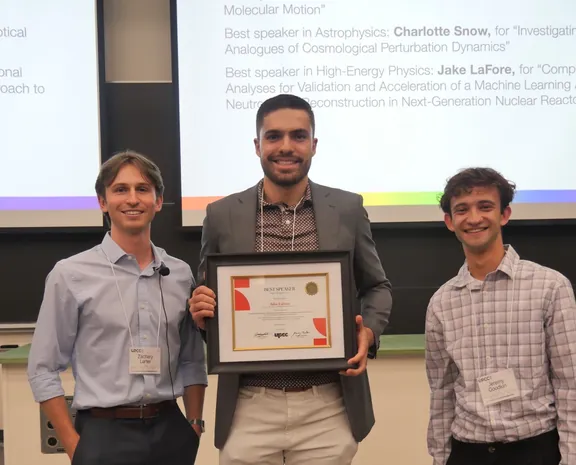
Photo: UPCC 2026, by Tab Rodriguez. · Argonne National Laboratory
Undergraduate Thomas McCoy spent the summer as a Research Aide in the Research and Test Reactors Department at Argonne National Laboratory, building an OpenMC model of the IAEA TECDOC-643 research reactor core.
· ANS Annual Conference, Denver
Neural Network-Enabled Thermal Feedback Modeling in the Fission Matrix Method
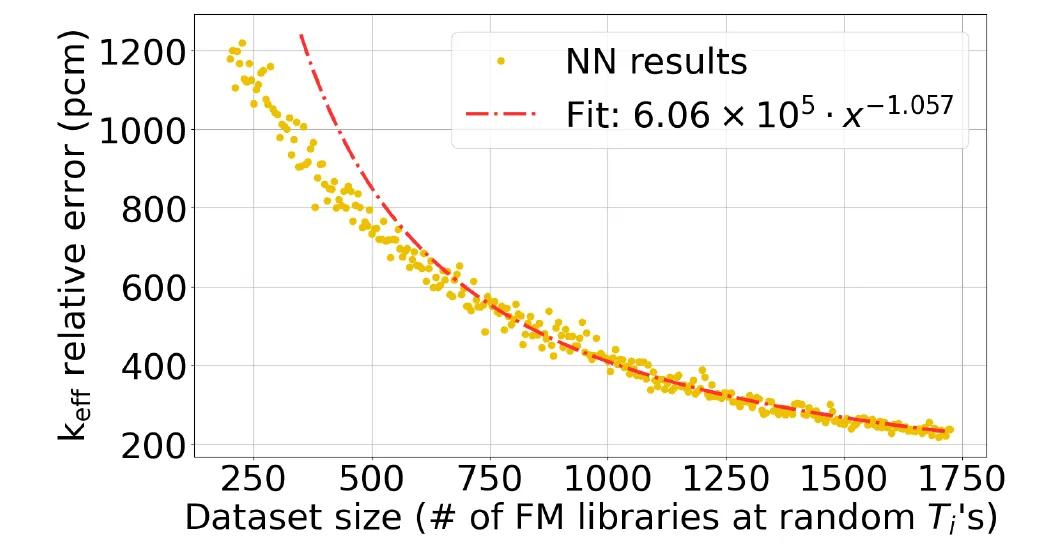
Undergraduate Daris Paine presented this work in the Reactor Physics Method session of the 2026 ANS Annual Conference in Denver. A neural network learns how temperature changes the fission matrix, and its k-eff error falls steadily as the training set grows.
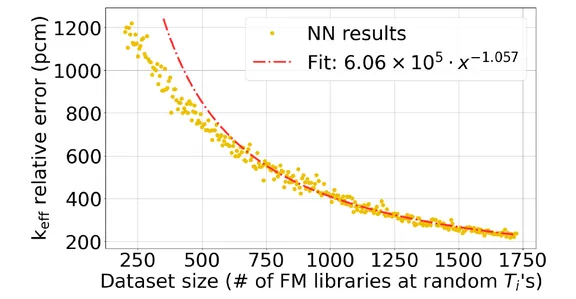
Fig. 4 of the paper: validation error against the number of fission-matrix libraries used for training.